The Day I Discovered Padel and Remembered to Play Again
The other day I drove down to Oceanside and did something I hadn’t done in a while…I tried something completely new just because it sounded interesting.
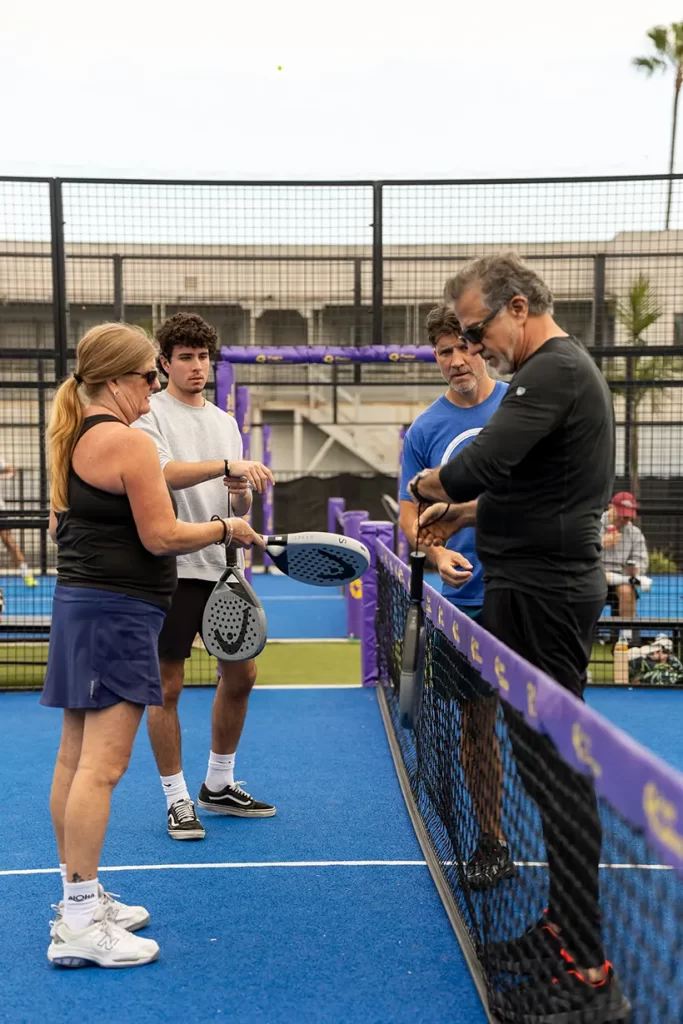
I took a Padel lesson!
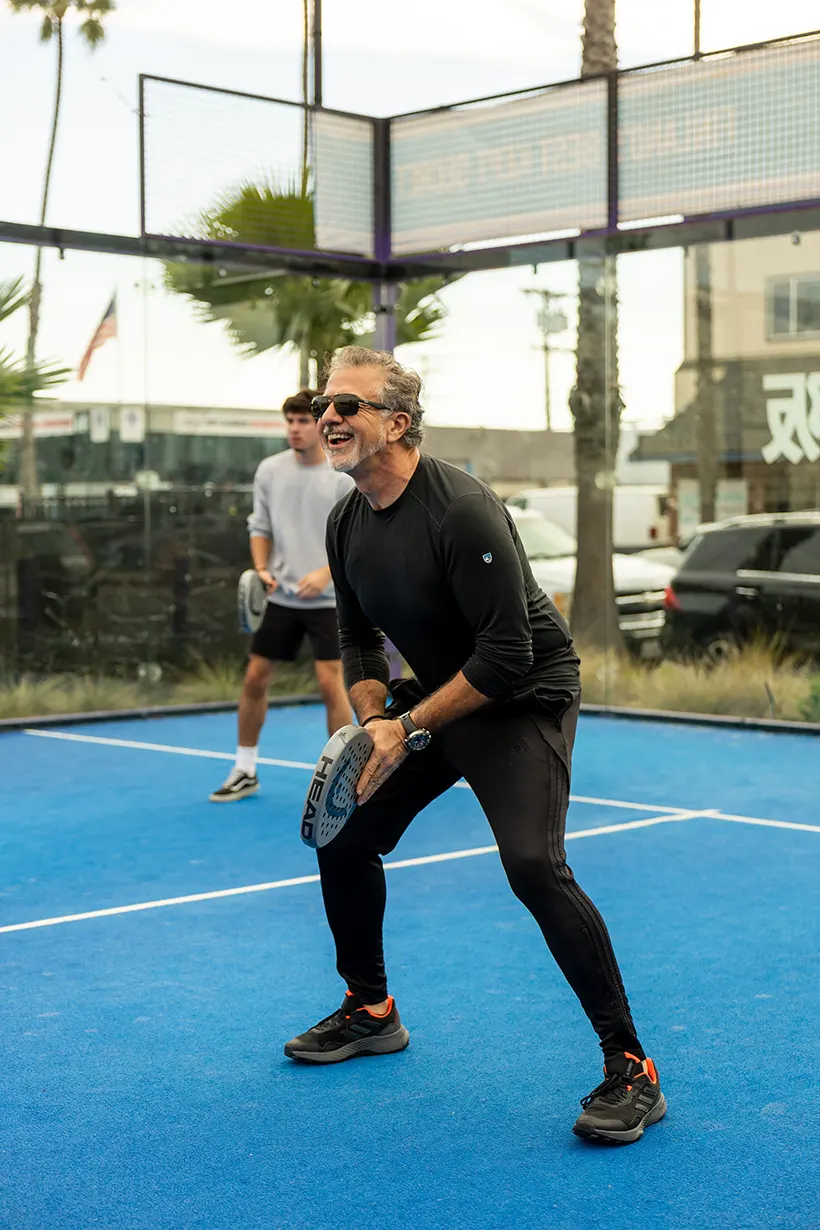
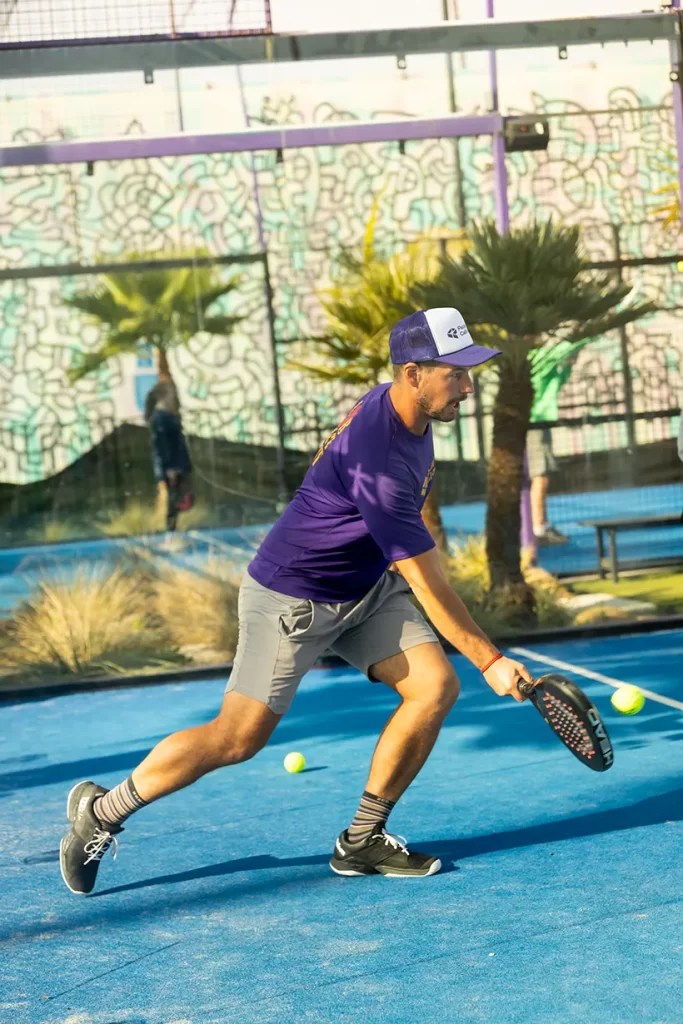
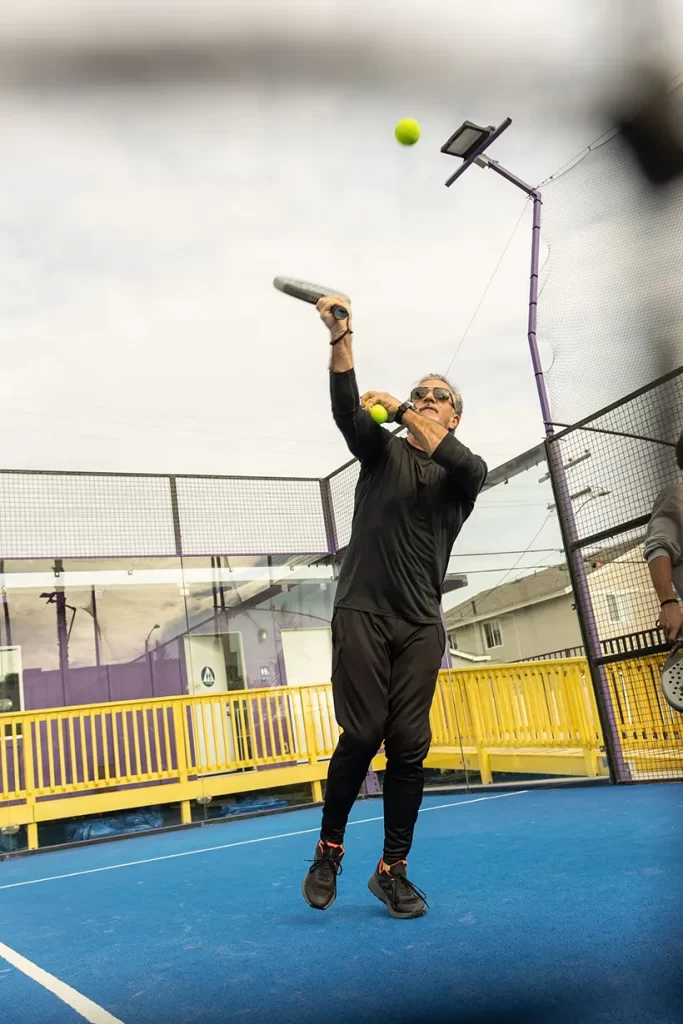
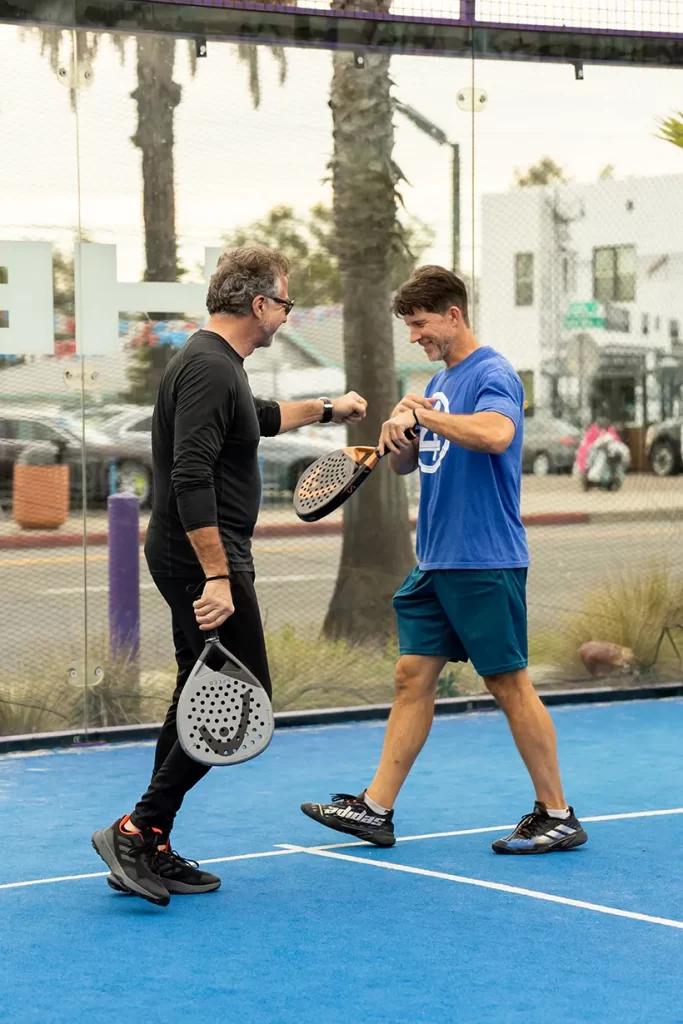
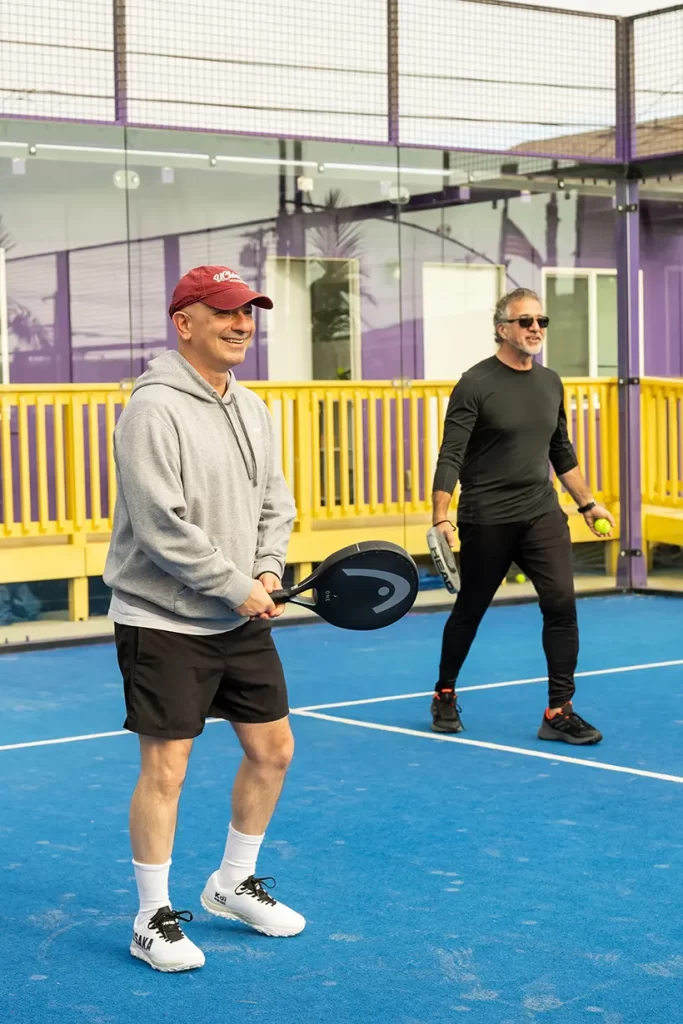
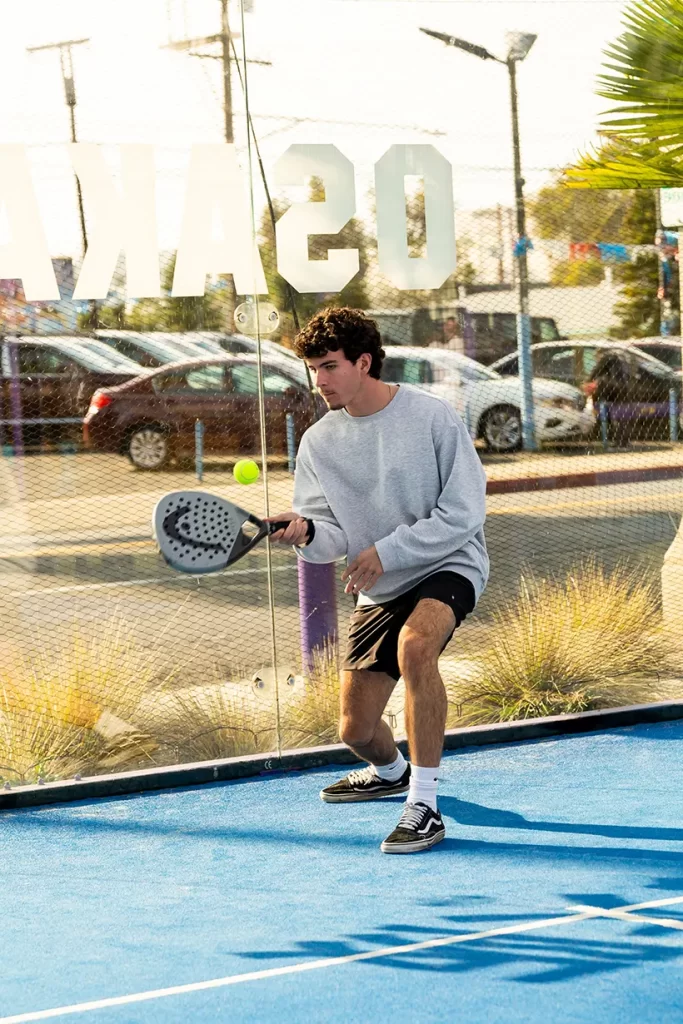
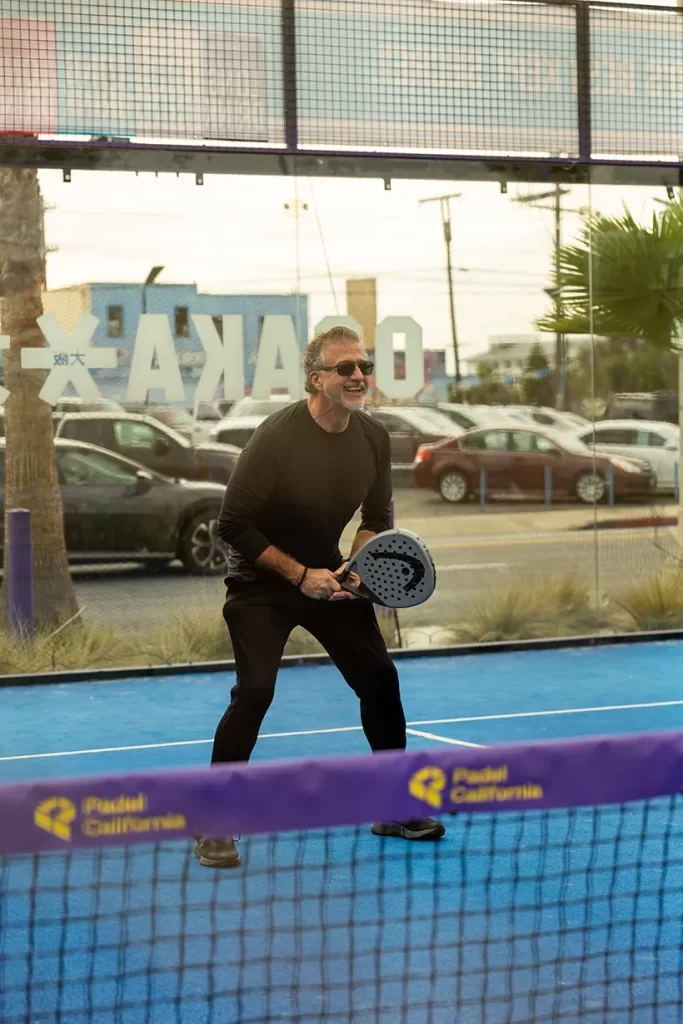
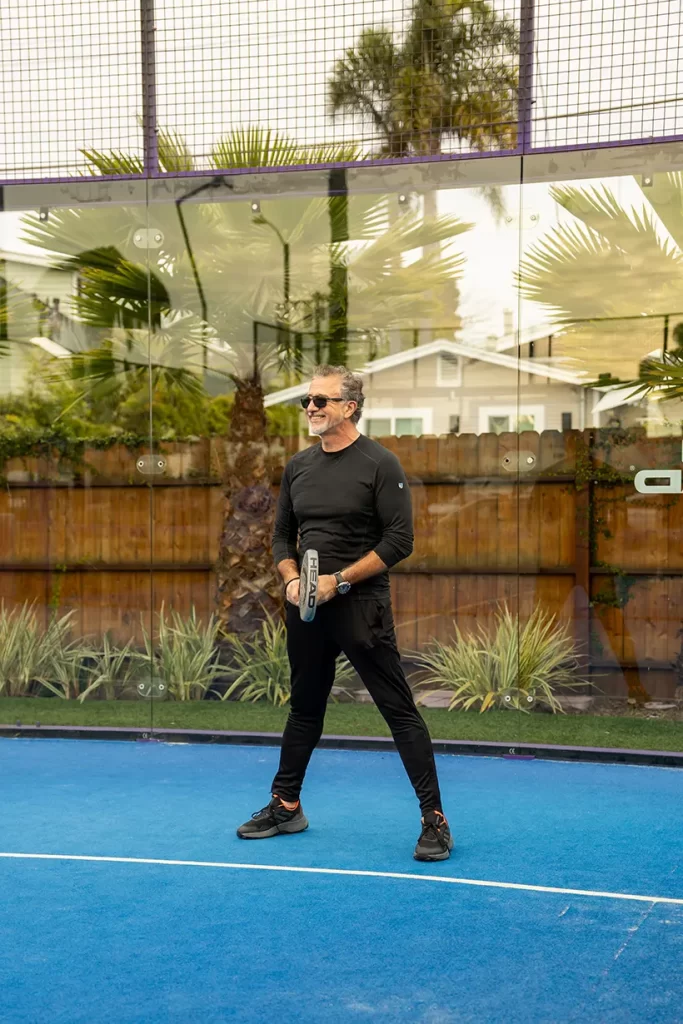
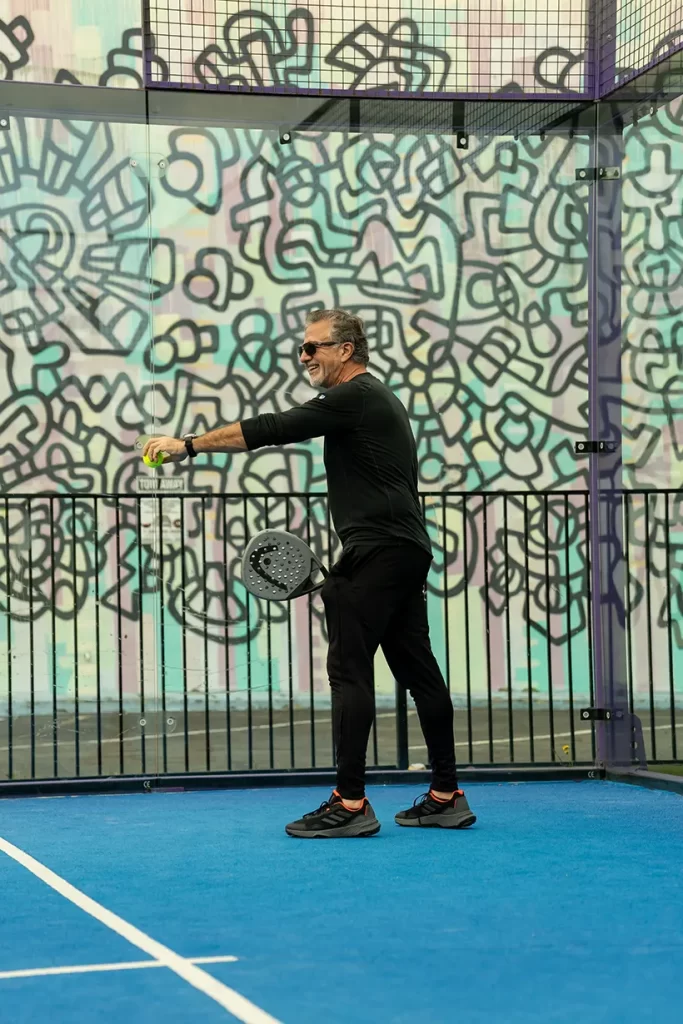
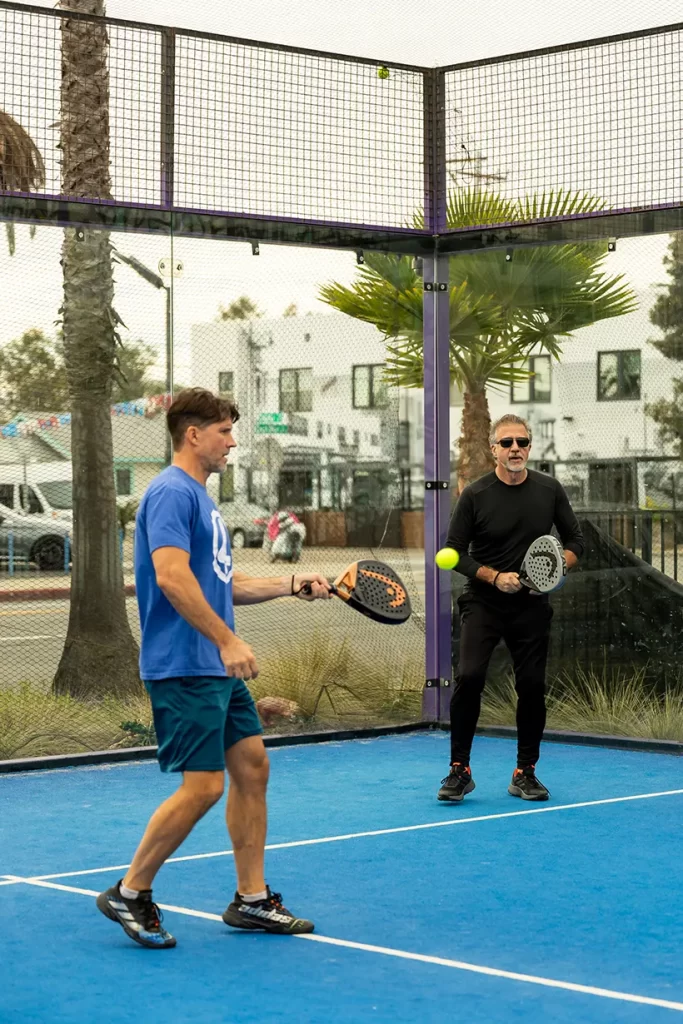
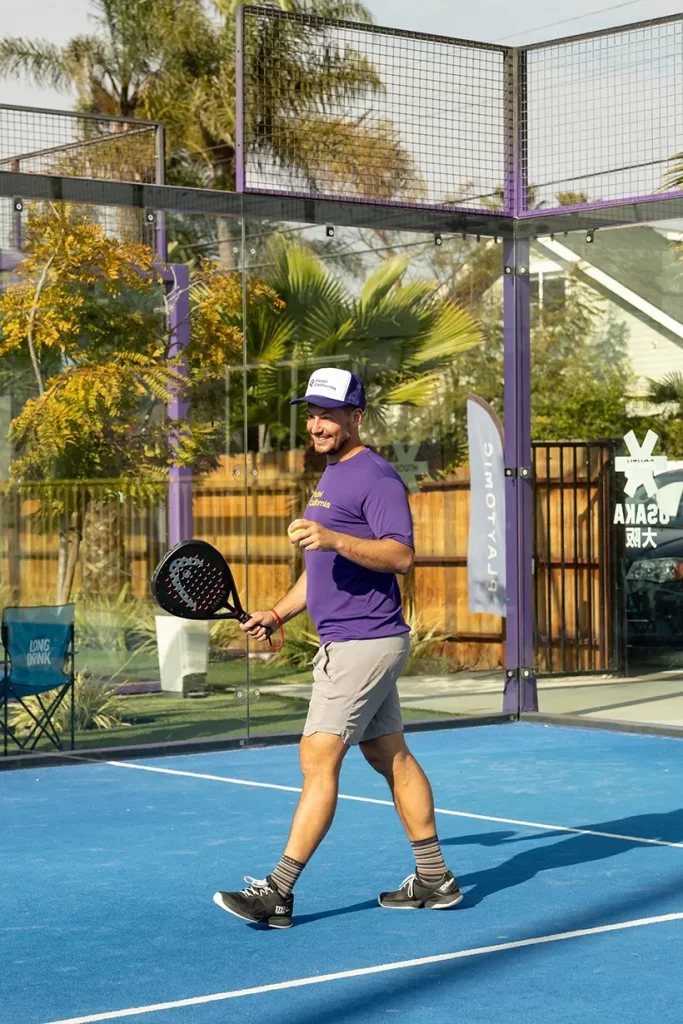
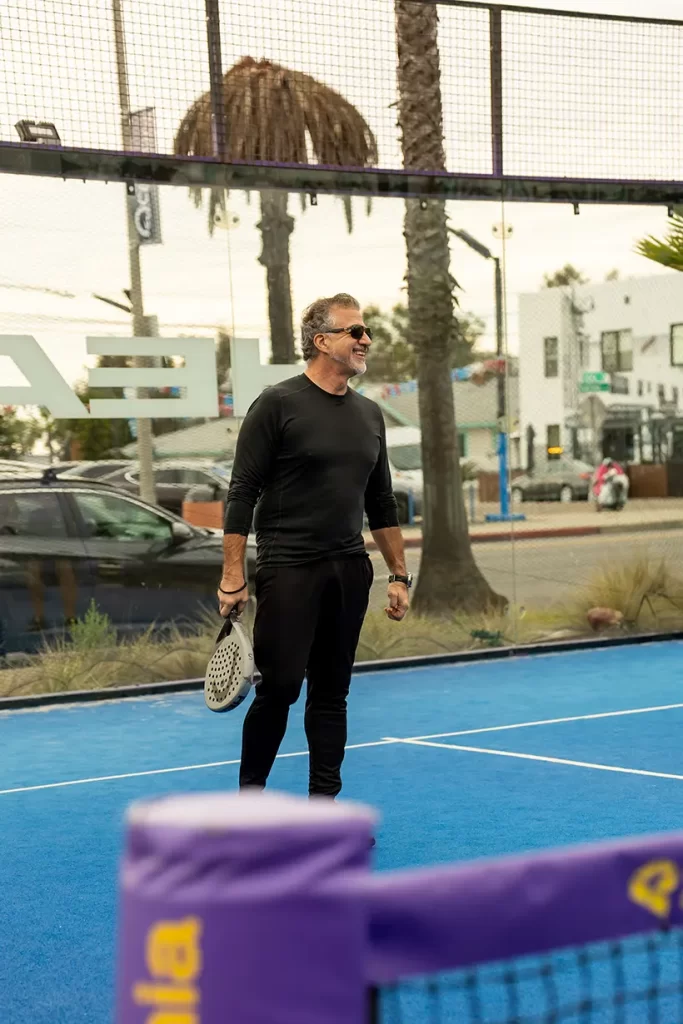
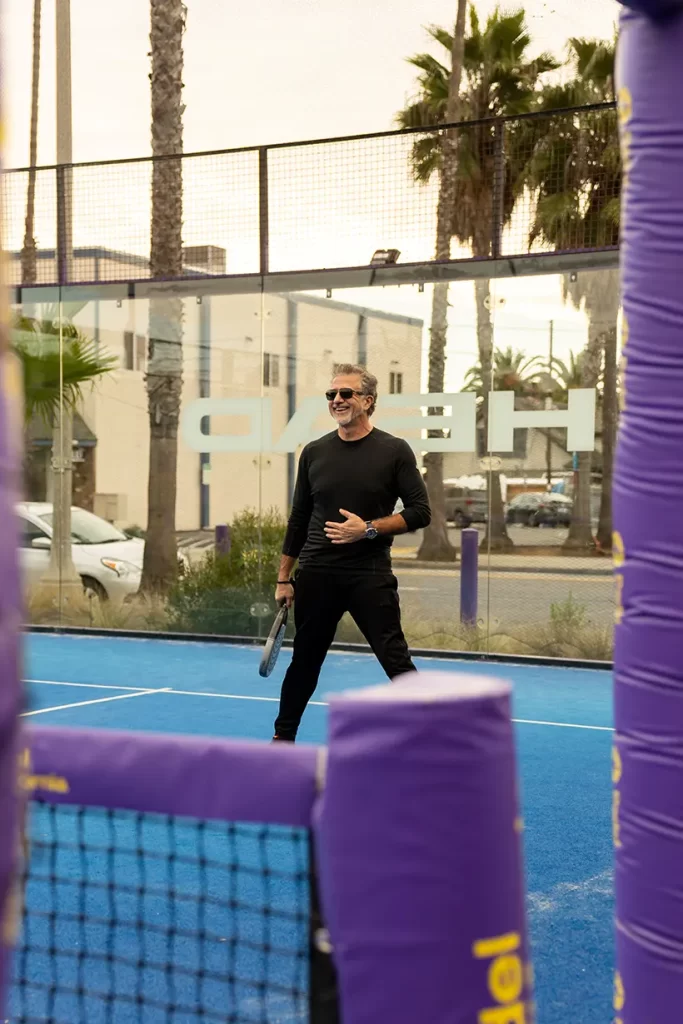
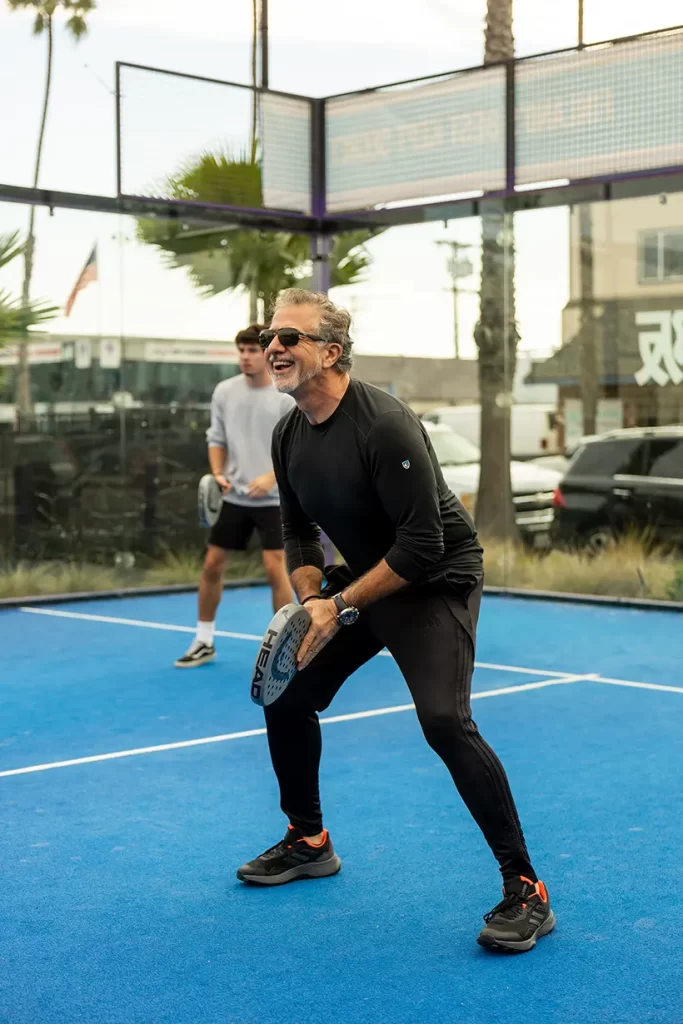
I brought my nephew. I brought a good friend from high school. And for the next hour we ran, laughed, hit balls off glass walls (sometimes on purpose, sometimes not), and figured things out as we went. No expectations. No pressure. No need to be good at it.
Just play.
Padel has that effect on you almost immediately.
So… What Exactly Is Padel?
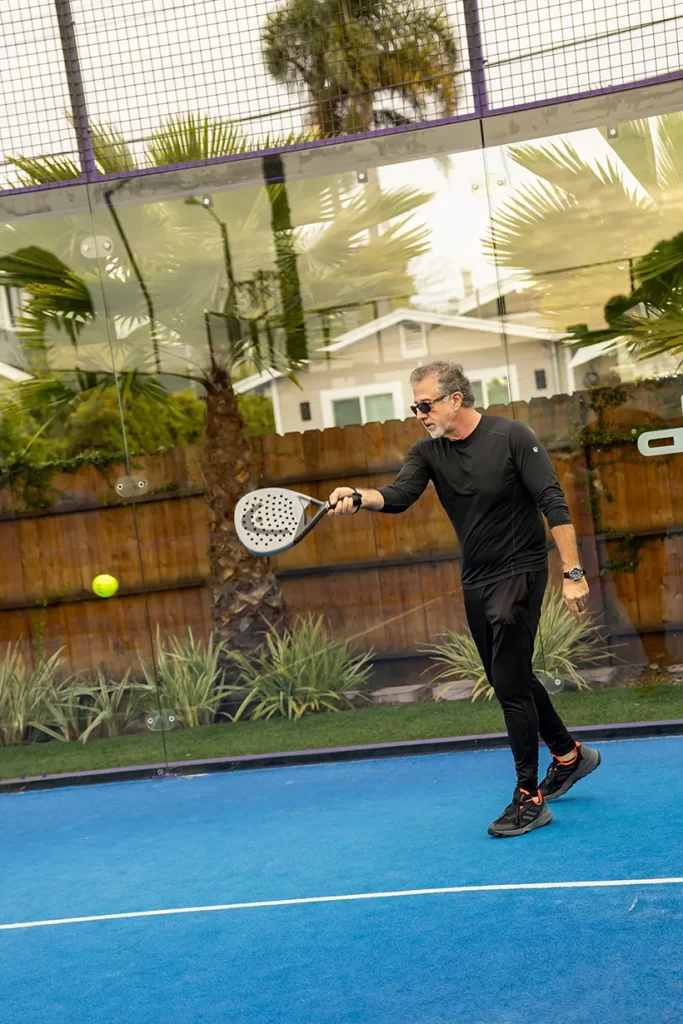
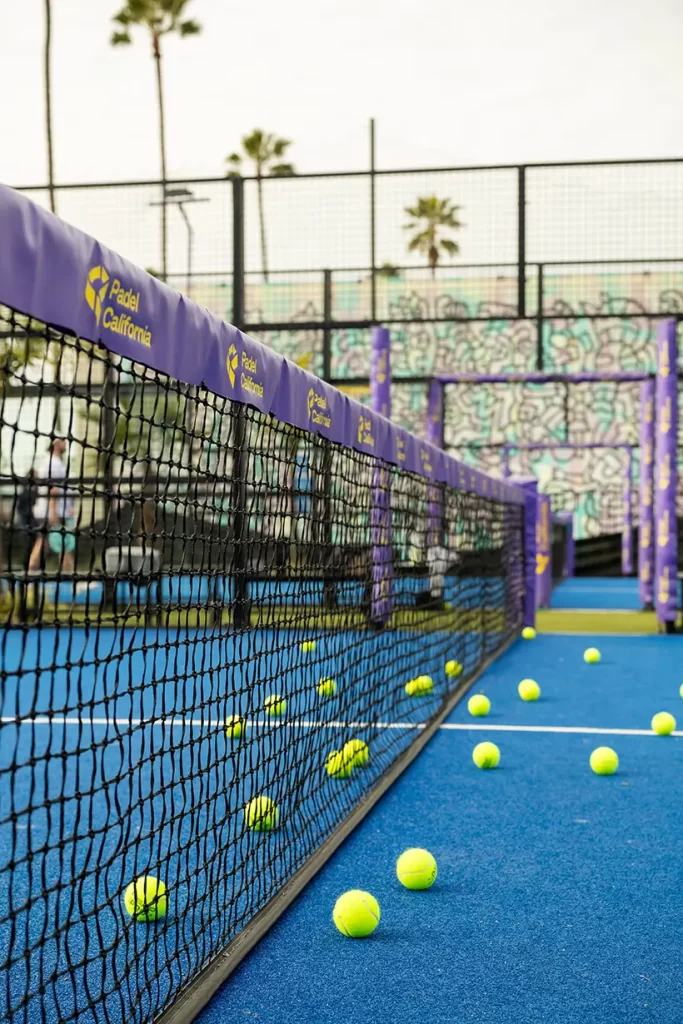
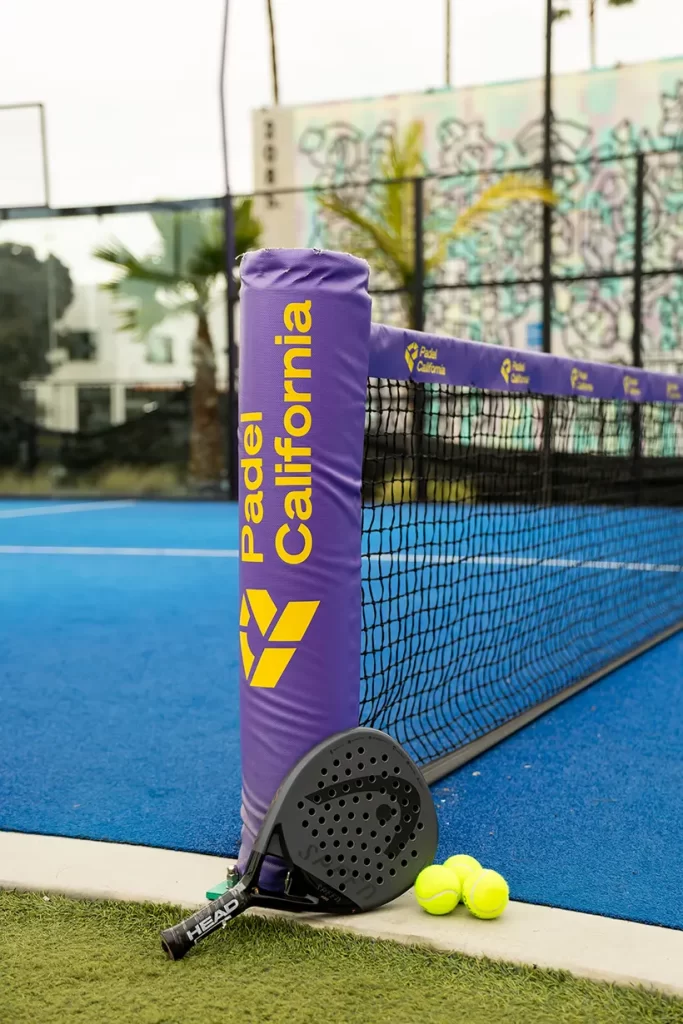
If you’ve never seen it played, padel is a racket sport played on an enclosed court about a third the size of a tennis court, surrounded by glass and fencing. You usually play in doubles, the scoring is similar to tennis, and yes—the walls are very much part of the game.
At first, that sounds a little intimidating. Then, very quickly, it becomes addictive.
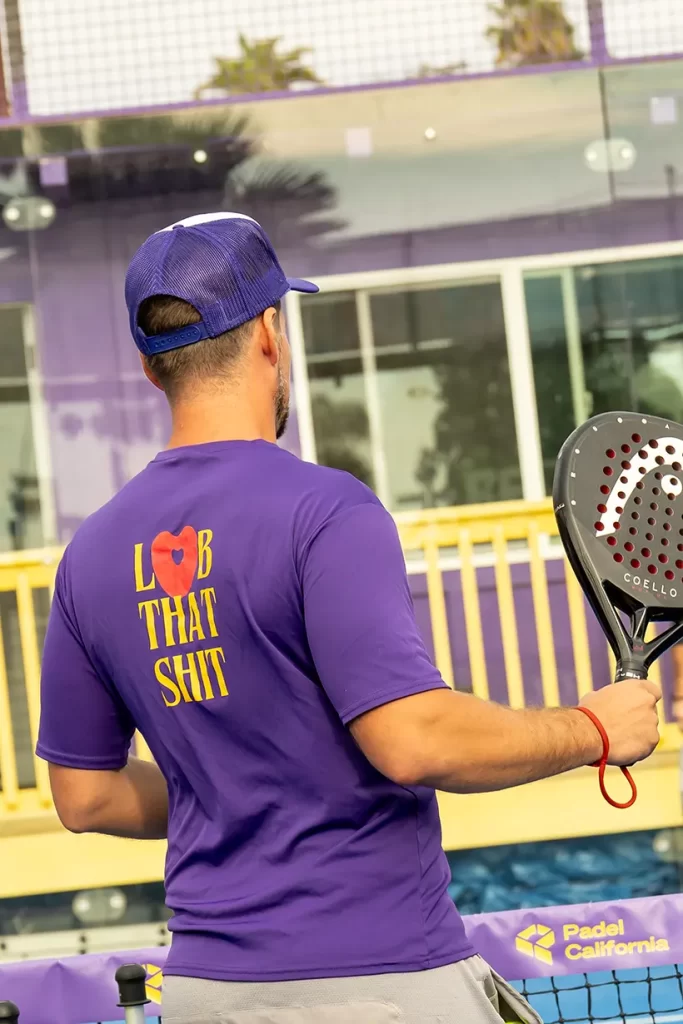
The ball comes off the glass in ways you don’t expect. You learn to let it bounce. You stop trying to overpower it. You start reading angles, timing, and each other. It’s fast, social, and surprisingly intuitive once you stop trying to control everything.
Which, now that I think about it, feels like a lesson that extends well beyond sport.
Padel isn’t new, it’s just new here.
The sport was born in Mexico in the late 1960s when a homeowner adapted a smaller court into his backyard. From there, it spread to Spain and Argentina, where it truly took off. Today, Spain alone has millions of players, professional leagues, televised matches, and courts woven into everyday life. It’s not a trend there, it’s part of the culture.
Across Europe, Latin America, and the Middle East, padel is what people play after work, on weekends, with friends. It’s social. It’s accessible. It’s communal.
Here in the U.S., especially on the West Coast, it’s still finding its footing. A handful of courts. A growing sense of curiosity. And a lot of “Wait… what is this?” conversations.
That early, slightly under-the-radar stage is exactly what made it appealing.
Trying Something Before It’s a Thing
This wasn’t about chasing the next trend or declaring allegiance to a new sport. Pickleball has already arrived, settled in, and claimed its territory. Padel still feels like a discovery. Something you stumble into and immediately want to tell a few friends about.
I’ve always loved that moment. Whether it’s a place, a design idea, a way of living, or a sport before it’s everywhere, before it’s overexplained, before curiosity gets replaced by marketing.
Padel felt like that from the very first rally.
The Best Part? The Fun Kicks In Fast
What surprised me most was how quickly the joy showed up. You don’t need years of experience to get into a rhythm. Missed shots turn into laughter. Accidental brilliance earns instant credit. There’s movement, but there’s also ease. And the interesting thing is, the deeper you go into the game, the more layers start to reveal themselves.
Playing alongside my nephew added a generational lightness I didn’t even realize I was craving. Being there with a friend who’s known me since we were kids made it feel effortless. No one was keeping score in a meaningful way.
We were just fully engaged.
It reminded me that play doesn’t disappear as we get older we just stop giving it permission.
And that’s where padel reveals another layer. Padel is also one of those rare sports that welcomes you immediately but continues to challenge you the deeper you go. At a recreational level, it’s joyful and accessible. Most people can step onto a court and rally within minutes, which is part of what makes the game so addictive. But the more you play, the more the layers of the game reveal themselves. Push the pace, increase the intensity, compete at a higher level, and padel becomes something entirely different. The lateral movement, quick bursts, constant court positioning, and split-second decision-making demand agility, reflexes, and strategic thinking. What begins as a social game quickly evolves into a serious cardiovascular and anaerobic workout. Studies tracking competitive padel matches have even shown players spending sustained stretches in high-intensity heart-rate zones throughout play. For people who want more than fun, for those looking to build endurance, improve agility, and train both body and mind, padel offers something rare.. a sport that is easy to enter but takes real dedication to master.
Less Muscle, More Feel
Padel doesn’t reward brute force. It rewards patience, placement, and feel. You don’t smash your way through it. You learn when to step back, when to wait, when to trust the bounce off the wall.
That part really stuck with me.
At this stage of life, I’m far more interested in experiences that feel good in my body and leave me energized rather than depleted. Padel delivered exactly that. I broke a sweat but I also left lighter than when I arrived.
That’s not nothing.
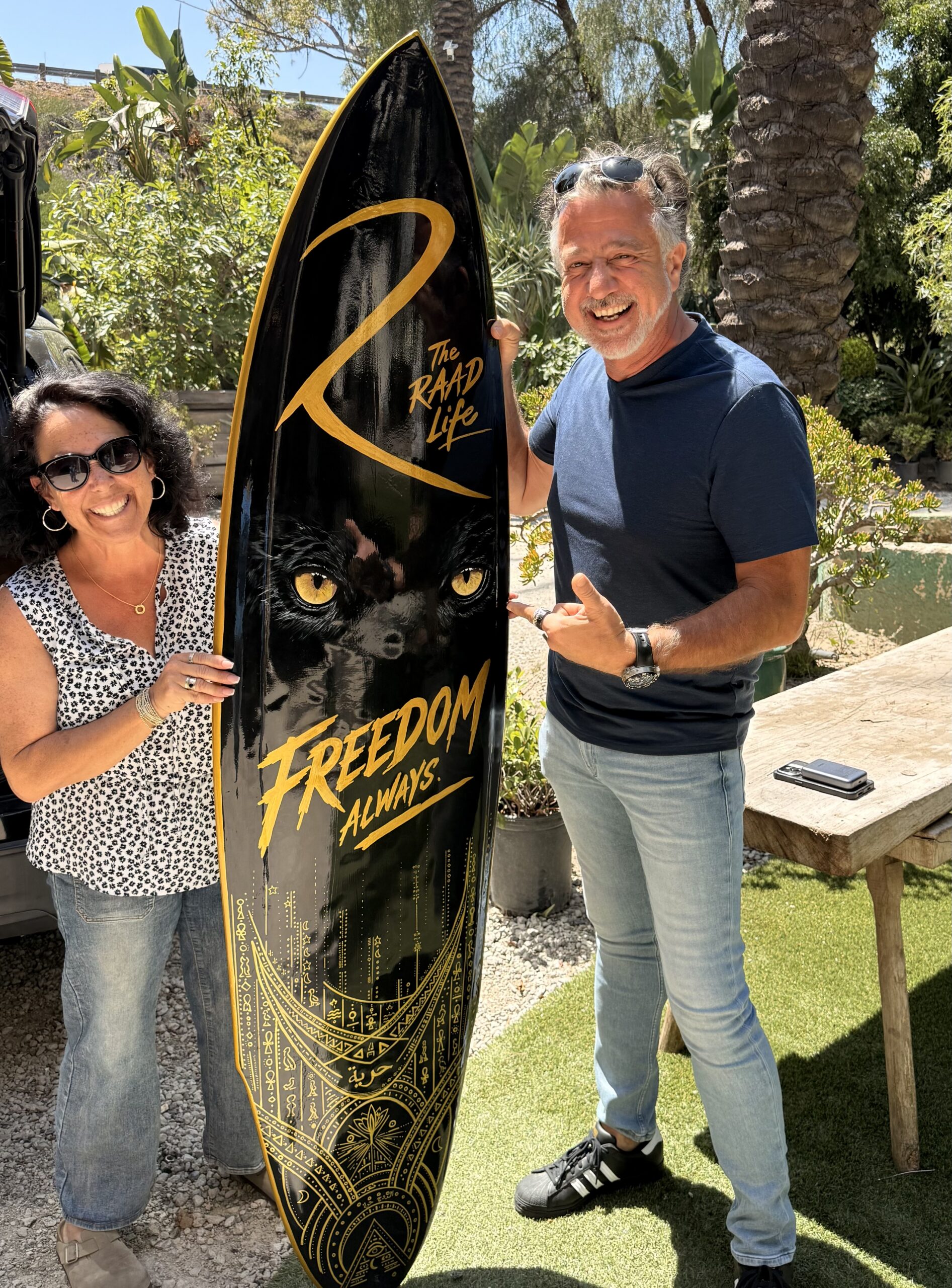
The Raad Life has never been about keeping up or proving relevance. It’s about staying curious. Staying open. Staying willing to try something new without needing a payoff.
Padel fits that philosophy beautifully.
It’s playful without being precious. Social without being performative. Global without being intimidating. It doesn’t ask you to be younger, it just asks you to show up and move.
And maybe that’s the point.
Padel will likely grow here. More courts will pop up. More people will discover it. Eventually, it will feel familiar…maybe even obvious.
But right now, it still feels light. A little under-the-radar. A little unexpected.
And that’s a great place to encounter anything new.
That afternoon in Oceanside wasn’t really about picking up a new sport. It was about remembering that curiosity still matters. That joy still lives in trying. That play is still available—if you’re willing to say yes.
To move without measuring. To laugh without explaining why. To be a beginner again! Not because you have to be, but because you get to be.
At this stage of life, that feels quietly radical.
We spend so much time optimizing, improving, refining ourselves, our work, our routines. That we forget the value of doing something simply because it feels good to do it. Play has a way of cutting through all of that. It reminds you that joy doesn’t need justification. It just needs permission.
Padel gave me that reminder.
Not in a grand, life-altering way, but in the kind that stays with you. The kind that makes you think, I should do more things like this. The kind that gently nudges you back into your body, back into the moment, back into a version of yourself that isn’t trying to get anywhere else.
That, to me, is what The Raad Life has always been about. Not chasing what’s next. Not clinging to what was.
But staying open…open to curiosity, open to movement, open to moments of unexpected joy that show up when you’re willing to say yes without knowing exactly where it leads.
Sometimes that looks like a new sport. Sometimes it looks like a new place. Sometimes it’s just an afternoon where you remember something you had lost touch with. And that’s more than enough.
Padel wasn’t the point.
Play was.
About the Author:
Raad Ghantous is a hospitality design visionary, creative strategist, and founder of Raad Ghantous & Associates, a boutique firm known for transforming luxury environments into timeless experiences. With over two decades of global expertise spanning interior architecture, branded guest experiences, and high-end hospitality, F&B, Wellness, and residential projects, Raad brings a bold, narrative-driven approach to placemaking—where aesthetics, function, and emotional resonance meet. As the founder of The Raad Life, a lifestyle platform and forthcoming magazine, Raad leads conversations around reinvention, longevity, and generational culture. His voice is grounded in wisdom, edge, and unapologetic authenticity—traits that carry into every space he designs and every story he tells. Whether consulting for iconic hospitality brands or redefining what it means to age with style and purpose, Raad’s work stands at the intersection of legacy and innovation. Learn more at raadghantous.com and follow The Raad Life for curated content that inspires life beautifully lived.