



Gilgamesh, Biohacking, and the Real Quest for Longevity
Our house has been thick with myth lately.
My six-year-old son, Manny, is deep into Greeking Out, the National Geographic podcast that delivers Greek mythology with all the dramatic flair a first grader could ask for.
Dinner conversations now ricochet between Heracles, Poseidon, and real-world parallels. Last week we ended up half-joking that Elon Musk might actually be Zeus, short name, throws lightning (or rockets), and has more offspring than most of us can count.
(That last observation came from Manny. Still not sure how he became an expert on Elon’s extended family tree.)
But what strikes me is how seamlessly mythology slips into modern life and how relevant it still feels. These stories endure for a reason: they hold timeless truths inside unforgettable characters.
The Epic of Gilgamesh
Lately, my mind keeps returning to The Epic of Gilgamesh.
It’s not Greek. It predates Homer by more than a millennium. And yet it may be the most enduring story we have.
Carved into clay tablets over 4,000 years ago, it circles one question humanity hasn’t stopped asking:
How do we live, knowing we will die?
The First Longevity Seeker
Gilgamesh, two-thirds god, one-third man, spirals into despair after the death of his closest friend, Enkidu. For the first time, he confronts the truth:
If Enkidu can die… so can I.
And in that moment, Gilgamesh becomes something very familiar: the original longevity chaser.
Long before billionaires funneled fortunes into age-reversal labs, there was Gilgamesh trekking to the ends of the earth in search of immortality. He found a plant said to restore youth… only to lose it to a serpent.
He returned home still mortal, still aging but profoundly changed.
The story ends with Gilgamesh walking the towering walls of Uruk, realizing that while he won’t live forever, what he builds just might.
Sound familiar?

Chasing Immortality, Modern Edition
We may not be demigods, but we’re no different.
We chase youth.
We track our biometrics.
We cycle through protocols, supplements, fads, and miracle claims.
Modern biohacking can feel like Gilgamesh just with a Whoop strap and Huberman Lab playing at 1.5x speed.
I’m not pointing fingers. I’m describing myself.
But the longer I sit with Gilgamesh’s story, the more I find myself wondering:
Are we pursuing the right kind of immortality?
Healthspan: What We’re Really After
Most people I talk to (even at the Don’t Die Summit) aren’t trying to live forever.
They’re trying to feel alive longer.
They want to:
- stay sharp, strong, and engaged
- play with their grandchildren on the floor
- climb mountains in their 70s
- keep their independence and dignity
- live with vitality, not simply exist
That’s healthspan.
Not the length of your life, but the quality of your years.
Prioritizing the Right Investments
Working at the intersection of finance and longevity has shown me how intertwined wealth and health truly are.
I’ve watched solid financial plans crumble under the weight of a sudden health crisis.
I’ve seen people with more money than they can spend and no energy to enjoy any of it.
And I’ve seen people of modest means live incredibly rich, meaningful lives because they invested early, and consistently, in what truly matters.
My New Filter for Every Health Decision
Longevity isn’t unlocked by a single breakthrough.
It’s built the same way Gilgamesh’s great walls were:
Brick by brick.
Day by day.
It looks like:
- Carrying groceries with ease at 80 because you trained your muscles when it was inconvenient.
- Getting restful sleep because you protected your circadian rhythm instead of another Netflix episode.
- Eating real, whole food because you value nourishment over novelty.
- Staying curious because curiosity keeps the brain young.
- Maintaining real relationships because connection buffers stress and expands healthspan.
The people who age well aren’t the ones who freeze time. They’re the ones who use time more intentionally.
What I Hope My Children Learn
One day, I hope Manny (and Q!) understands the real message of Gilgamesh.
It’s not a story about outrunning death. It’s about living so fully that death doesn’t get the last word.
We’re each one link in a chain stretching thousands of years behind us and thousands ahead. What strengthens the chain isn’t mythical strength or magic plants, but the love we give, the values we embody, and the example we set.
You don’t need to battle monsters.
You need to steward your body well, honor your time, and show up fully for the people who matter.
That’s what I want for my children.
And for myself.
And for every client I work with.
Because the Gilgamesh problem isn’t actually a problem.
It’s an invitation.
A call to live.
A reminder that we don’t need more time; just the wisdom to use the time we already have.
The Raad Life: 5 Takeaways
- Healthspan > Lifespan.
Don’t just add years. Add vitality, strength, and meaning to the years you already have. - Longevity is built daily, not discovered suddenly.
Small, repeatable habits are the real age-defying magic. - Wealth and health are inseparable.
Invest in both, or one will eventually compromise the other. - Curiosity and connection are longevity tools.
A stimulated mind and strong relationships extend the quality of your life more than any supplement. - You can’t outsmart mortality, but you can outlive regret.
Live in a way that ensures your values,not your fears.
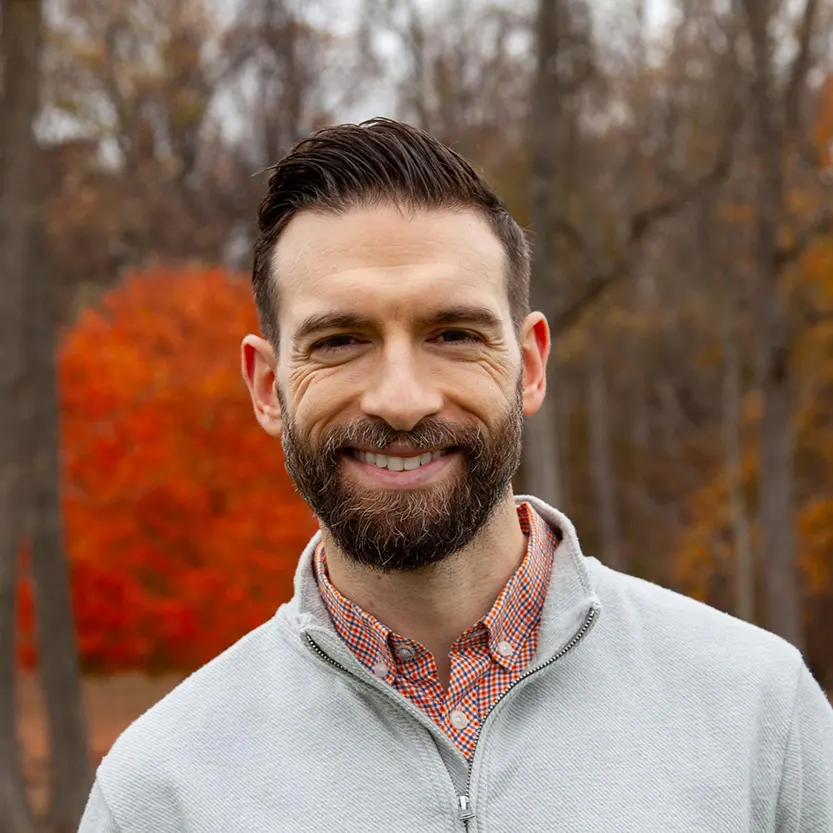
About the Author:
Dennis McNamara helps successful professionals design a life they can thrive in. He believes this is achieved financially, mentally, and physically. A seasoned fiduciary with deep expertise in evidence-based investing and long-horizon planning, he blends wealth management with longevity science to help clients build both net worth and well-being. Co-founder of wHealth Financial Advisors, Dennis is known for translating complexity into clarity and guiding people toward a future they’re genuinely excited to live.